
Louisiana Flu Tests Are Coming Back Positive at Nearly Double Last Year’s Rate
LAFAYETTE, La. — Flu activity is running ahead of last year’s pace in Louisiana, and doctors are urging families to get vaccinated now. About 6.5% of flu tests statewide came back positive for the week ending Oct. 3, up from 3.4% at the same point last year.
Influenza-like illness is also rising in emergency rooms, reaching 2.9% of visits compared with 1.6% in early October 2025. That level is still below the regional baseline of 4.1%, and flu season typically builds through the winter months.
What Louisiana’s Flu Numbers Show Right Now
The statewide positivity rate has nearly doubled from this time last year. It now sits close to where it stood the first week of November 2025, when the state’s report showed 6.4%. It also runs above the national rate, which was 3.6% for the same week.
Doctors in Baton Rouge saw the first signs in September. “We’re starting to see a little bit of flu in the community for sure,” Dr. Jacob Wood of Baton Rouge General said in mid-September. COVID-19 cases have stayed mild so far, Wood said, and the state’s latest report lists RSV season as off.

Louisiana is part of a federal region that also includes Arkansas, Texas, New Mexico and Oklahoma. The CDC reported that flu-related emergency room visits and hospital admissions both rose in that region during the week ending Oct. 3.
Why This Early Rise Looks Different From Last Season
Nationally, the CDC says flu activity is increasing in many parts of the country but remains low. The highest activity is on the West Coast, an unusual pattern. Flu in the U.S. traditionally starts in the South and Southeast, said Dr. Helen Chu, a respiratory infections specialist at the University of Washington School of Medicine.
The CDC says early-season activity is higher than usually seen at this point but remains within expected seasonal variation. Health-record data from Epic Research show mid-September flu activity at its highest level for that point in the year since at least 2022.
The circulating virus has also changed. Public health labs subtyped 127 influenza A viruses in the CDC’s latest report, and 125 were H1N1. H3N2 dominated last season, making up about 87% of subtyped influenza A viruses. The 2026-27 vaccines are trivalent and cover an H1N1, an H3N2 and a B/Victoria virus.
An early start does not necessarily mean a more severe season, said James Hay, an epidemiologist at the University of Oxford. The CDC’s outlook calls for a moderate season, comparable to last year.
What Parents Need to Know About Flu Shots This Fall
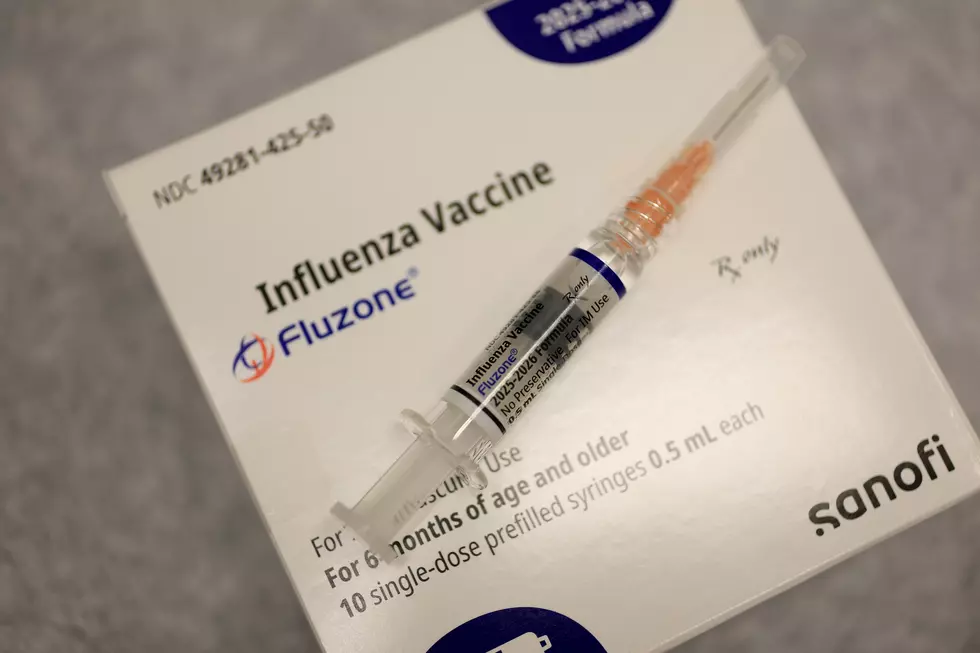
The CDC says the vaccination recommendations in its July 2025 schedule remain in effect for the 2026-27 season. That means an annual flu vaccine for everyone 6 months and older, ideally in September or October.
Children from 6 months through 8 years need two doses, at least four weeks apart, unless they had two or more flu shots before July 1. Children with no vaccine history or an unknown history need two. A first dose on Oct. 13 means the second can come no earlier than Nov. 10.
Children younger than 5, pregnant women, adults 65 and older, and people with asthma, diabetes, heart disease or other chronic conditions face a higher risk of complications. The CDC says flu vaccine can be given during any trimester of pregnancy.

The FluMist nasal spray is approved for ages 2 through 49, and a caregiver can give it to children 2 through 17. The CDC says children 2 through 4 should not get it if they have asthma or have had wheezing in the past 12 months.
Last season, about 51% of children and 42% of adults got a flu shot, CDC data show.
Flu shots are available through pediatricians, family doctors, pharmacies and urgent care clinics, and vaccines.gov lists nearby locations. Last fall, the Louisiana Department of Health said it would not hold public flu vaccine events or promote the shot through advertising, the second year in a row. The department’s flu page carries the CDC recommendation and tells families to talk with a health care provider about which vaccine is appropriate for their child.
How to Tell Flu From a Cold in Children
Flu usually comes on suddenly with fever or chills, cough, sore throat, body aches, headache and fatigue. Colds build gradually and more often bring sneezing and a stuffy nose. Vomiting and diarrhea are more common in children with flu than in adults, and not everyone with flu runs a fever.
When to Get Medical Care for a Child
Children younger than 5, and especially those younger than 2, face a higher risk of flu complications. Parents should get medical care right away if a child shows any of these CDC warning signs:
- Fast breathing or trouble breathing
- Bluish lips or face
- Ribs pulling in with each breath
- Chest pain
- Severe muscle pain, such as refusing to walk
- Dehydration, including no urine for 8 hours, a dry mouth or no tears when crying
- Not alert or not interacting when awake
- Seizures
- Fever above 104 degrees that medicine does not control
- Any fever in a child younger than 12 weeks
- Fever or cough that improves and then returns or worsens
- Worsening of a chronic medical condition
Prescription antivirals such as Tamiflu work best when started within two days of the first symptoms, which is why Baton Rouge doctors recommend testing early. The CDC recommends early treatment for people at higher risk of serious complications, including those with asthma or diabetes, and says most people with mild illness do not need antiviral drugs. Antibiotics do not work against flu.
When Sick Children Can Go Back to School
CDC guidance says people can return to normal activities once their symptoms have been improving overall for at least 24 hours and they have been fever-free for at least 24 hours without using fever-reducing medication. The CDC recommends added precautions for the next five days, such as good hygiene and a well-fitted mask. A child whose fever returns should stay home again.
What Happens Next for Louisiana
Last season, Louisiana was the only state classified as high for influenza-like illness in late November. State health data show flu hospitalizations peaked at nearly 600 patients the week of Dec. 27. Nationally, the CDC counted 198 flu-associated pediatric deaths for the 2025-26 season.
The state publishes a flu and respiratory virus report weekly, and the CDC updates its national report each week. Louisiana’s busiest stretch typically comes later in the season, and the coming reports will show whether this early rise holds.
You May Also Like...
- Louisiana Tops Nation in Flu Cases: What Residents Need to Know
- Flu Cases in Louisiana Surge, Hospital Visits Climb
- Two Louisiana Cities Identified as Hotspots as Flu Cases Surge Statewide
Suggested Remedies for Flu and COVID Symptoms from Louisiana
Gallery Credit: Joe Cunningham
