

What Lafayette Parish Does and Doesn’t Allow Before You Start a Backyard Homestead
LAFAYETTE, La. — The homesteading movement has been building steam across the country, and Acadiana is no exception. More Lafayette Parish residents are turning their yards into productive growing spaces, keeping backyard chickens, tending beehives, and putting up their own preserves. The local climate, ordinances, and community resources are all working in your favor here — but you need to know where to start.
This guide covers the practical steps for getting your homestead going in Lafayette Parish, with guidance for urban and suburban properties as well as the more rural stretches of the parish.
Know What the Law Allows Before You Dig or Build
The first move any aspiring homesteader should make is confirming what is and is not permitted on their property. Lafayette Parish has relatively homesteader-friendly ordinances, but a few specifics trip people up.
Backyard chickens are legal in the city of Lafayette. The city code has historically required coops to be placed at least 25 feet from any structure used for sleeping, dining, or living purposes, including neighboring homes — but ordinance details have been updated over the years, so confirm current requirements directly with LCG code enforcement before building. Rooster rules vary by zoning district and have also been subject to updates — confirm current restrictions before acquiring any male birds. Nuisance provisions apply to the whole flock regardless. If your setup draws noise or odor complaints, code enforcement can and will act.
Beekeeping is legal in Lafayette after the city-parish council unanimously voted to end a 50-year ban in 2014. Under the current ordinance, hive limits scale with lot size: two hives for lots up to a quarter acre, up to eight hives for an acre or more. Any hives near a property line require a fence, hedge, or other barrier tall enough to redirect bees upward as they leave the hive. Beekeepers must also provide a dedicated water source to keep bees out of neighbors’ pools and birdbaths. All Louisiana beekeepers must register with LDAF annually; permits expire September 30 each year.
Vegetable gardens are generally legal anywhere in Lafayette Parish. There is no parish-wide prohibition on front-yard food gardens, though individual subdivisions and HOA communities may have their own restrictions. If you live in a neighborhood with a homeowners association, read your deed covenants carefully before you plant. HOA rules are legally binding in Louisiana and can be more restrictive than city ordinances — even if the city allows it, your HOA may not.
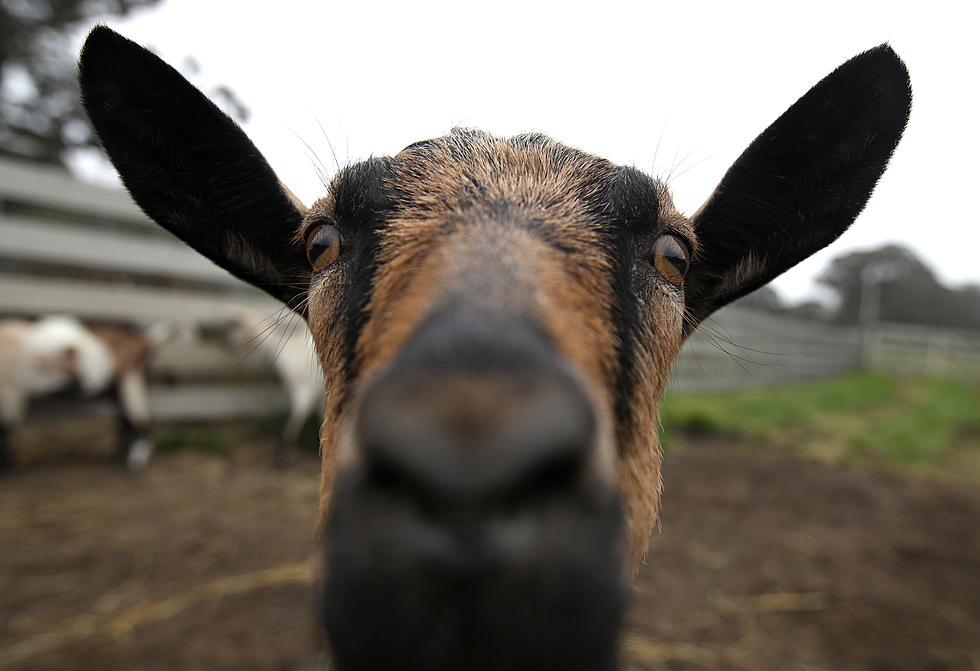
Larger livestock — goats, pigs, cattle, horses — are restricted to agricultural zoning in the parish. If you are in an unincorporated rural area with A-1 zoning, your options expand considerably. In a standard residential subdivision, those animals are off the table.
Understand Your Soil and Your Growing Season
Lafayette Parish sits in USDA Plant Hardiness Zones 9a to 9b. The frost-free growing season runs roughly from early March through late November — approximately 262 days. That is a growing season most of the country cannot touch.
The challenge is the soil. Much of the parish has heavy clay, which drains poorly and compacts easily. That does not mean you cannot grow productive gardens, but it does mean you need to work with the soil rather than against it.
For most urban and suburban homesteaders, raised beds are the most practical solution. Building beds with a quality mix of topsoil, compost, and amendments bypasses the native clay entirely and gives you immediate control over drainage and fertility. A minimum depth of 10 to 12 inches is recommended. Avoid railroad ties as borders — they can leach chemicals into your soil.
If you are working directly in the ground, amend generously with compost and organic matter before planting. Improving drainage is the priority. Mounding your rows slightly helps water move off the bed. Mulching heavily — 3 to 4 inches — keeps soil temperatures down in the summer heat and helps retain moisture during dry stretches.
Lafayette Parish Consolidated Government operates the Dean Domingues Compost Facility at 400 Dugas Road in north Lafayette. Residents can pick up free compost Monday through Friday from 7:30 a.m. to 3:00 p.m., and on second Saturdays from 7:30 a.m. to 11:30 a.m. Dropping off yard waste runs $6 per cubic yard (drop-off hours are Monday–Friday 7 a.m. to 3:30 p.m., with the same second Saturday window). It is a resource most homesteaders in the parish have never heard of.
What to Grow and When to Plant It
South Louisiana’s dual growing seasons are one of the best-kept secrets in American gardening. You do not get one season here — you get two distinct windows, with a hot-weather pause in between.
Fall and winter (September through February) is the season most Lafayette gardeners come to appreciate most. The punishing heat has broken, pest pressure drops, and a long list of productive crops thrive. Greens, root vegetables, and brassicas are your workhorses: broccoli, cabbage, cauliflower, kale, collards, mustard, lettuce, spinach, Swiss chard, carrots, beets, radishes, turnips, and rutabagas all perform well. Onion sets and shallots go in during December and January. English peas and snow peas can be planted in December if the ground is workable.
Spring and summer (late February through August) is warm-season territory. Tomatoes, peppers, and eggplant can go in the ground as transplants from late February to early March once frost risk has passed. From March forward, the list opens up: cucumbers, squash, beans, Southern peas, okra, sweet potatoes, corn, cantaloupe, and mirliton. This is also prime time for herbs — basil, rosemary, thyme, and parsley all do well in the Louisiana heat.

The LSU AgCenter publishes a planting calendar tailored to south Louisiana that is worth bookmarking. The local office in Lafayette can be reached at (337) 291-7090.
Fruit trees and perennial food plants are often overlooked by new homesteaders, but they pay dividends for years. Fig trees are practically built for South Louisiana — they tolerate clay soil, produce reliably, and require minimal maintenance. Satsuma oranges, Meyer lemons, and other hardy citrus varieties grow well here, though a hard freeze can set them back; container planting lets you bring them inside during cold snaps. Blueberries thrive in acidic soil with good mulching. Persimmons and pecans both do well across the parish. Even a modest suburban yard can support two or three fruit trees and a few blueberry bushes, which adds up to a meaningful contribution to your annual food supply.
Backyard Chickens: What It Actually Takes
A small laying flock is probably the single most useful addition a suburban homesteader can make. Four to six hens will produce more eggs than most families go through, require modest daily care, and convert kitchen scraps and yard waste into fertilizer.
For urban and suburban properties, breeds known for calm temperament and steady production are the right choice. Buff Orpingtons, Easter Eggers, Australorps, and Rhode Island Reds all adapt well to backyard environments. They handle the Louisiana heat reasonably well and lay reliably without the noise issues that come with more excitable breeds.
Coop placement in Lafayette must meet the setback requirements in the current city code — confirm exact distances with LCG before building, as ordinance details have been updated since earlier versions. Beyond placement, coops must be predator-proof and managed so they do not create a public nuisance. Raccoons, opossums, and hawks are the main threats in this area. Hardware cloth — not standard chicken wire — should be used for coop runs, and a solid covered run is worth the extra cost.
Heat management is a real concern from June through September. Shade, ventilation, and fresh cool water multiple times a day are non-negotiable. Breeds that originate from warm climates handle the South Louisiana summer better than those developed for colder regions.
If you are a first-time keeper, start with pullets rather than chicks. Pullets — young hens just reaching laying age — are available from local farms and feed stores and cut the learning curve considerably. Chicks require a heat lamp setup for several weeks and more intensive daily attention than most beginners expect.
Beekeeping in Acadiana
Lafayette’s beekeeping community is active and well-organized. The Acadiana Beekeepers Association is the local chapter and a solid starting point for anyone just getting started. The group actively mentors new keepers, which matters more than most beginners realize.
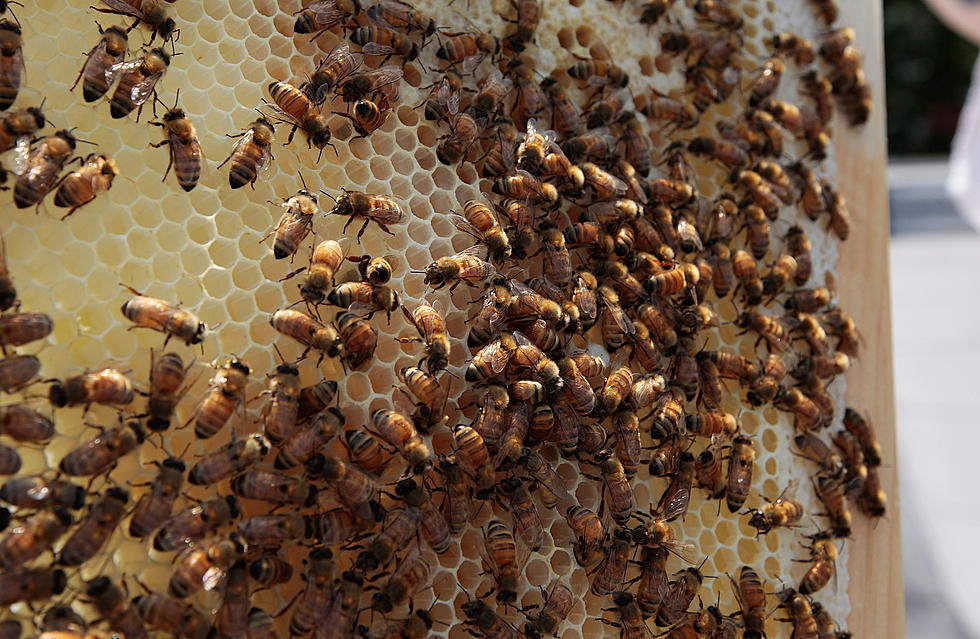
The standard advice for first-year beekeepers is to start with one or two hives and get hands-on time with an experienced keeper before going it alone. The learning curve is steep: understanding bee behavior, managing for disease and varroa mites, and knowing when and how to inspect hives are skills built through practice. Books and videos will only take you so far.
The registration process through LDAF is simple and inexpensive. State law requires beekeepers to register with LDAF annually by October 1 each year — before permits expire on September 30. Skipping registration is not worth the risk — unregistered hives can draw substantial fines if a complaint is filed.
Composting and Water Management
Home composting works well in the Louisiana climate. The heat and humidity accelerate decomposition, meaning your pile will break down material faster here than in most of the country. A basic two-bin setup — one bin actively composting, one curing — handles the organic waste from a typical household and small garden without much fuss.
Kitchen scraps (vegetable and fruit waste, coffee grounds, eggshells), yard trimmings, and chicken bedding and manure all compost well. Avoid meat scraps, dairy, and anything heavily processed. The pile needs to stay moist but not waterlogged, and turning it every week or two speeds things up considerably.
Rainwater harvesting is a natural fit for Acadiana. A basic rain barrel connected to a downspout provides free irrigation water and reduces runoff from your property. For larger operations, a 500- to 1,500-gallon cistern can carry a big garden through dry summer stretches without running up your water bill. There are no state or parish restrictions on residential rainwater harvesting in Louisiana.
That said, Lafayette Parish carries real flooding pressure, and stormwater management matters here more than in most places. Keep runoff from your garden and any outbuildings off neighboring property. Permeable surfaces, mulched pathways, and established plantings around the edges of your growing areas all help rainfall absorb where it falls rather than sheet across your neighbor’s yard.
Connect With the Local Community
Homesteading in Lafayette does not have to be a solo effort, and the community infrastructure around local food and growing is strong enough to lean on.
The Lafayette Farmers and Artisans Market at Moncus Park on Johnston Street runs every Saturday from 8 a.m. to noon. It is the largest market in Acadiana and brings together local farmers, plant vendors, seed swappers, and producers. If you want to know who is growing what in this region and how they are doing it, that is the place to show up with questions.
Earthshare Gardens in Scott is a 1.5-acre organic community farm and one of the anchor organizations in Acadiana’s local food movement. Operating since 2004, it runs a CSA program, donates produce to area food pantries, and has long served as an incubator for people getting serious about food production in this region.

The Lafayette Parish Master Gardeners Association is one of the most accessible resources available to home growers in this area. It is a joint program of the LSU AgCenter and ULL’s Ira Nelson Horticulture Center, and it offers public workshops, plant sales, and a demonstration garden open to visitors seven days a week. The local LSU AgCenter office can be reached at (337) 291-7090.
For anyone serious about deepening their knowledge, the Master Gardener training program itself is worth considering. It is a 15-week course offered every fall, taught by LSU faculty and horticulture experts, and participants come out with a working knowledge of Louisiana growing conditions that would take years to accumulate on your own.
A Note for Rural Property Owners
If you are on a few acres in the rural sections of the parish — the stretches around Scott, Duson, Youngsville, or further out — your options expand substantially. Agricultural zoning opens the door to larger livestock operations, and the soil in many of these areas is more workable than the heavy clay found throughout much of the urban core.
Small goat herds work well on a few acres and provide both dairy and meat. Meat rabbits are inexpensive to establish and produce quickly. Larger garden plots become practical when you are not working around suburban lot sizes. The fundamentals — soil health, water management, season timing — still apply regardless of how much land you are working. The scale of what is possible just gets considerably larger.
Louisiana's Top Outdoor Adventures
Gallery Credit: Joe Cunningham
